
Why the two prices never line up
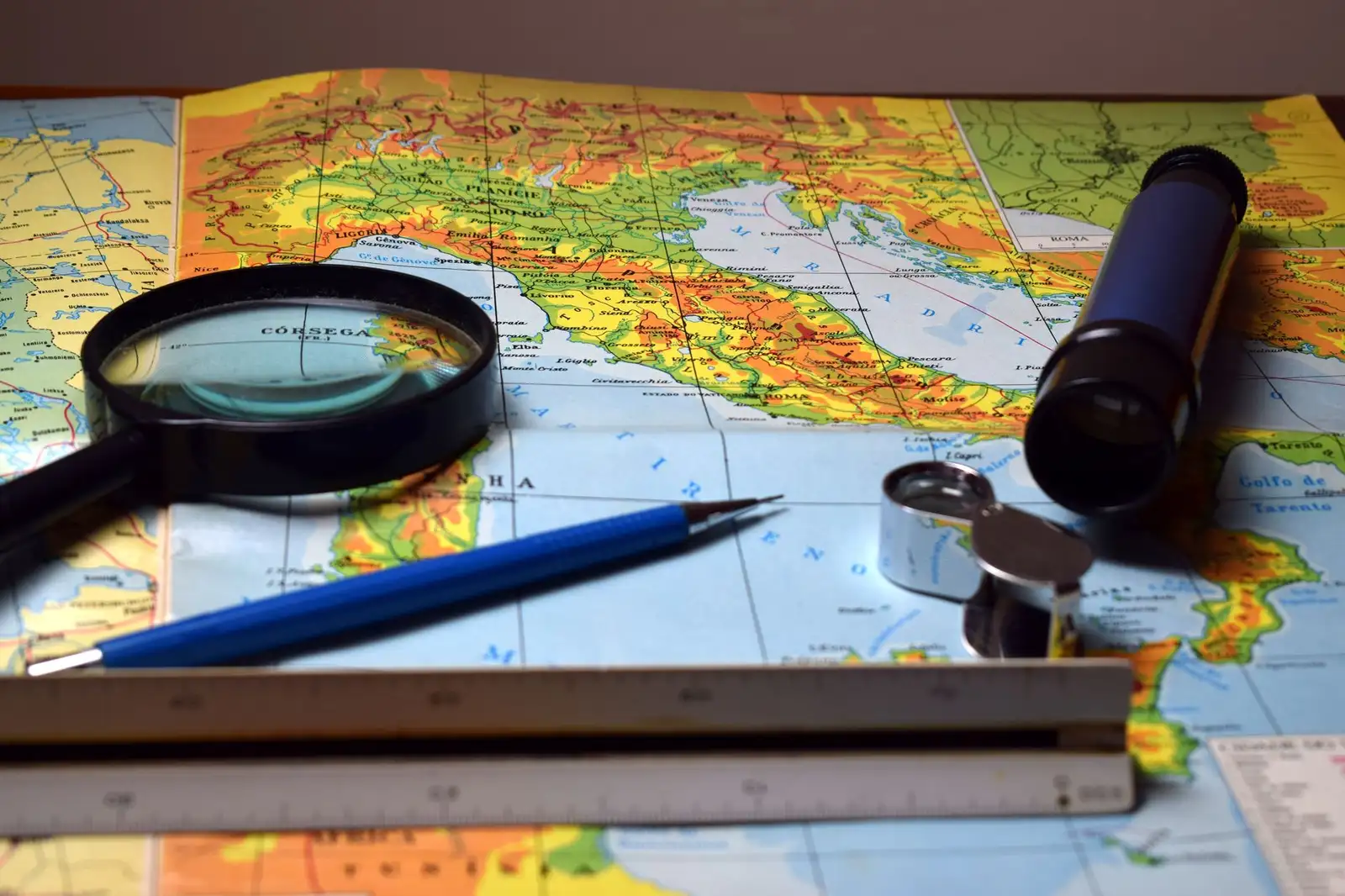
Open two tabs. In one, an Italy vacation package for eight days. In the other, a spreadsheet where you've added up flights, hotels and trains for the same eight days on your own. The DIY number is lower. It almost always is. So the choice looks easy.
It rarely is, because the two numbers don't measure the same thing. The package price is a bundle of things someone else decided to include. Your DIY number is a list of the things you remembered to write down. Neither one tells you what the trip will cost by the time you fly home, and neither tells you what the trip will be like.
This guide is about closing that gap. It walks through what goes into each price, what each one tends to leave out, the time cost nobody puts on a receipt, and the questions that make a package show its hand. It doesn't argue for one side. Plenty of people should plan Italy themselves, and plenty should not. The goal is to know which one you are before you spend the money.
For the wider question of guided travel versus going it alone in any country, the general framework is in DIY vs guided tours: a framework for choosing. This piece stays with Italy, where a few local habits shift the math.
What "package" can mean in Italy
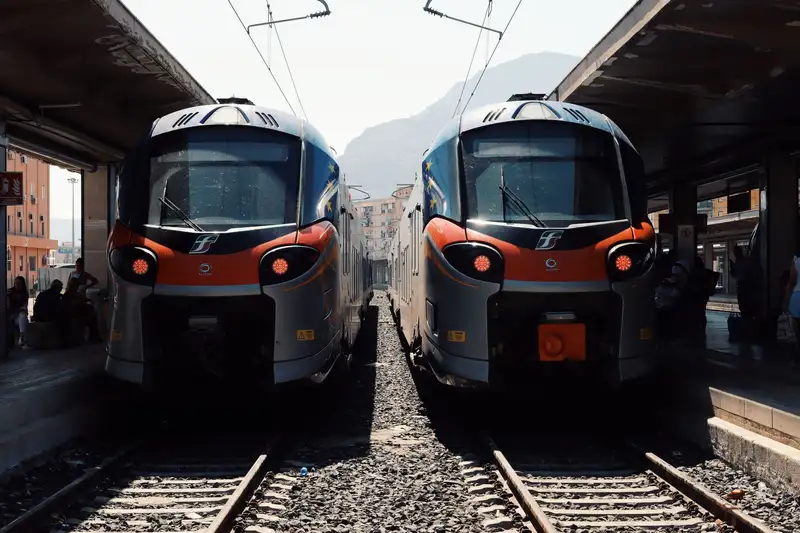
The word covers very different trips. Before you compare a package to DIY, figure out which kind you're looking at.
Flight and hotel bundles. An airline, a booking site or a travel agent sells you a seat and a room together. Sometimes there's a transfer or a rail pass. Everything else is yours to plan. This is really DIY with two decisions made for you. It can save money and a little time.
Escorted coach tours. A large group moves through several cities on a bus with a tour manager. Many of these cover Rome, Florence and Venice in a week or so, with a new hotel every night or two. Breakfast is usually included. Some dinners are. Many sights are in the price, and some are sold as add-ons once you're on the road.
Small group or specialist trips. Smaller groups, often built around one region or one theme such as food, wine, walking or art. These tend to include more meals and more of the day, and to stay longer in each place. They also tend to cost more per day.
Custom or tailor-made trips. An agent or local company builds a private plan for you. You get the bookings done for you, with your own dates and pace. You pay for the design and the handling as well as the trip.
These four aren't points on one scale. A flight and hotel bundle has more in common with DIY than with a small group trip. When you compare prices, compare like with like.
Building a full DIY number
The DIY side of the sheet is where most people go wrong, because the big items are easy to see and the small ones are not. Here is what a full Italy budget needs to hold. You can fill in your own figures. What matters is that every line has one.
Rooms, counted by night. A seven-night trip is seven nights of rooms. That's simple. What gets missed is the city tourist tax. Many Italian cities and towns charge a tax per person, per night, set by each town. It's often paid at the hotel, sometimes in cash, and it isn't always shown in the price on a booking site.
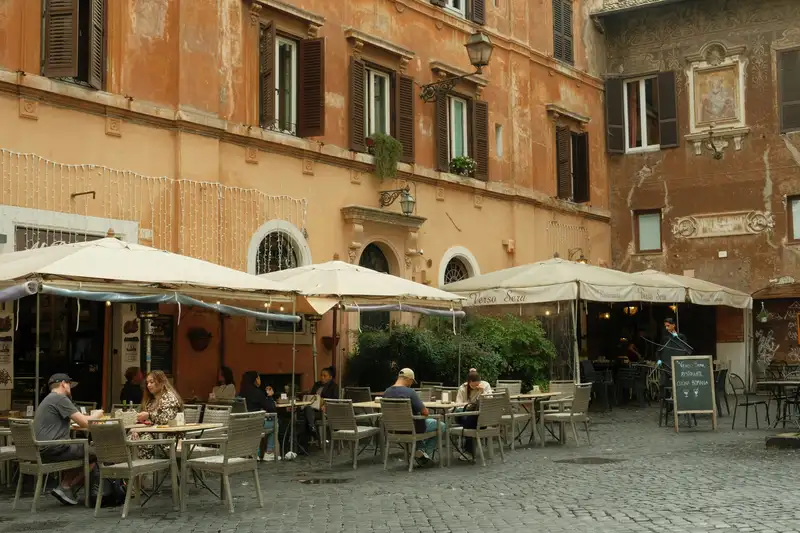
Every meal. Breakfast may come with the room. Lunch and dinner almost never do. Count both, every day, for every person. Many restaurants add a coperto, a cover charge per person for bread and the table. It's legal as long as the menu lists it, and it rarely makes it into anyone's budget.
Wine and coffee. Small amounts. Many times a day. They add up.
Getting between places. Trains between cities are a line item. So are the taxis or buses from the station to a hotel that isn't next to it. If you rent a car, add fuel, motorway tolls, parking and the cost of the extra driver if you want one. Many historic centers have a ZTL, a limited traffic zone watched by cameras. Driving into one by mistake can mean a fine that arrives by mail weeks later, sometimes with a fee from the rental company on top. You can't budget a fine, but you can budget the parking that keeps you out of one.
Tickets and guides. Museums, churches with paid entry, guided visits, wine tastings, cooking classes. Each one is modest. A week of them is not.
The getting-started costs. The ride from the airport on day one. The ride back on the last day. Luggage fees on trains or small flights. Phone data.
Tips. Tipping in Italy is lighter than in the United States, and in most restaurants it isn't expected in the same way. For guides and drivers it is more common. Decide what you plan to give and write it down.
A cushion. Something always costs more than you thought. A missed train, a rainy day that turns into a taxi day, a dinner that ran long. A planned cushion keeps those from feeling like failures.
Once every line is filled in, compare that total to the package price. The gap is often smaller than it looked in the two tabs. Sometimes it vanishes. Sometimes it's still large, and DIY is cheaper. Either way, you now have a real number. For a broader method, the budget framework on this site goes deeper into each category.
The cost that never shows up on a receipt
Money is only half of the price. The other half is time, and Italy asks for a lot of it.
Think about the hours that go into a good DIY week. Choosing a region. Choosing towns. Choosing a hotel in each town, which means reading reviews and checking maps to see if "near the center" means a five-minute walk or a bus ride. Booking trains and learning the difference between the fast lines and the regional ones. Finding restaurants. Booking the museums that need timed tickets, like the Last Supper in Milan or the Borghese Gallery in Rome, some of which sell out weeks ahead. Writing to small wineries or farms that want a booking and answer email slowly. Then fixing what breaks when one of those plans falls through.
Some people love every hour of that. For them, planning is part of the trip, and a package would take away something they enjoy. That's a real benefit of DIY and it deserves full weight.
Other people dread it, or simply don't have the time. For them, those hours have a price too. A fair way to judge it is to ask yourself what you'd pay to get those evenings back. There's no right answer. But if the answer is "quite a lot," then the true gap between DIY and a package is smaller than the money alone suggests.
There's also time on the ground. On a DIY trip, someone in your group spends part of each day as the planner: reading the map, checking the train board, finding lunch. On a package, someone else does it. Whether that matters depends on who would be doing that job, and whether they'd like a week off from it.
What packages tend to leave out
Packages have their own blind spots. The headline price is a promise of what's included, and the fine print is where the rest lives. These are the ones worth looking for.
Days versus nights. Trip lengths are usually sold in days. An "8-day" trip might give you seven nights, or only six once the travel days at each end come out. The number that matters is beds.
Meals by number. "Meals included" can mean every meal, or it can mean breakfast plus two dinners. Get the numbers in writing, meal by meal, and ask whether wine or water comes with them.
Free days. A free day can be wonderful. You'll also be the one planning it, and paying for it. A week with three free days is closer to half a package.
Add-ons sold on the road. Some tours sell extra excursions once you're on the trip. If the best day of the trip costs extra, the package price is lower than the real one.
Shopping stops. Some tours stop at shops or workshops that pay the operator a share of what you buy. It isn't always bad, and some of those visits are interesting. It's just worth knowing which stops are there for you and which are there for the sale.
Group size. A "small group" can mean ten people or forty. Ask for the maximum, not the average.
Hotel location. A hotel listed as "Florence area" may be well outside the city. Ask for the name, then look it up on a map.
Hotel changes. Moving every night or two means packing, loading the bus and checking in again. It's a cost in time and energy, even when it's free in money.
Tips. Some tours include tips for guides and drivers. Many don't, and ask you to pay them in cash at the end.
Single travelers. Most packages are priced per person for two people sharing a room. A solo traveler usually pays a single supplement, which can be large. Ask for it early.
None of these are tricks on their own. They become a problem only when you don't know they're there.
What a package gives you that a spreadsheet can't
A good package offers more than convenience. A few things it can do are hard to do yourself.
Access. Some of the best experiences in Italy aren't on a booking site. A meal in a family home. A morning with a cheesemaker. A cellar that doesn't open to the public. A good local operator often has relationships that took years to build. You can sometimes find these on your own, through a friend of a friend or a long email thread, but it's slow and it may not work.
Someone who handles the trouble. Strikes happen. Trains are delayed. A hotel loses a booking. On a DIY trip, you sort it out, at a counter or on the phone. On a package, it's the operator's job. How much that's worth depends on how much a lost day would cost you, and how calm you are at a ticket counter.
Legal protection, in some cases. In the European Union, the Package Travel Directive gives buyers of packages from EU-based organizers certain rights. The organizer is responsible for the services in the package, and it must have protection in place so your money and your trip home are covered if it goes out of business. If you book from the United States with a US company, those EU rules may not apply to you. Some US states, including California, Florida and Washington, require sellers of travel to register. Ask any company where it's based, who the organizer of record is, and what happens to your money if something goes wrong. Separately, travel insurance is worth looking at either way.
Pace and focus. A well-designed package can be built around one idea: one region, one season, one kind of food. That can make the week feel whole in a way that's hard to plan from a distance. Of course, a badly designed package can do the opposite and rush you through six cities you'll barely remember.
What DIY gives you that a package can't
The case for DIY is just as strong, and in some ways more personal.
Control of the clock. You decide when to wake up, when to stay longer and when to leave. If a hill town grabs you, you can stay the night. No one is waiting at the bus.
Choice of company. You travel with your own people only. For some, that's the whole point of a vacation.
Cost, when you're careful. If you plan well, book early and live simply, DIY is often the cheaper way to see Italy. Long trips, trips on a tight budget and trips focused on cities tend to favor it.
The pleasure of figuring it out. Getting a train right, finding a lunch place by asking around, learning a little Italian on the way. For many people, these small wins are the best memories of the trip.
Questions to ask before you pay for any package
If you're leaning toward a package, these questions will show you what you're buying. A good company will answer every one without fuss.
- How many nights, and in how many different hotels?
- What's the maximum number of guests, and how many usually come?
- Exactly how many meals are in the price, and does wine come with them?
- Which entry fees, guides, classes and tastings are in the price? Which are extra?
- Will anything be sold to us during the trip? Are there shopping stops?
- Are tips for guides and drivers included?
- Who is with us during the trip, and are they with us all week?
- Can I see the actual names of the hotels and the places we'll visit?
- Who is the organizer of record, and how is my payment protected?
- What's the cancellation policy, and what does the single supplement cost?
If a company can't or won't answer these clearly, that tells you something as well.
A quick way to tell which side you're on
Score yourself on a few plain questions. There are no points, just a lean.
- Do you enjoy planning as much as traveling? That leans DIY.
- Is your trip mostly big cities with good trains between them? That leans DIY.
- Do you want to spend a long time in one place and meet the people who live there? That leans toward a small group package, or a DIY trip with a lot of research time.
- Is this a first trip to Italy, with limited time and no Italian? That leans toward some kind of package, or a DIY plan kept very simple.
- Is the trip a big occasion you can't redo, like an anniversary? That leans toward whatever makes it least likely to go wrong for you.
- Are you on a strict budget? That leans DIY, as long as you build the full number above.
Many people end up in the middle. A common hybrid is to plan a few days in Rome or Florence on your own, then join a small group or book a guided week in the countryside. The city part is easy to plan. The country part is where access matters most.
The final decision: your spreadsheet or someone else's
Back to those two tabs. Once you've built a full DIY number, the money question usually comes down to this: is the gap worth the hours and the access? Only you can answer it.
Plan it yourself if you love the research, have the time, want full control of every day, and are happy to solve problems as they come. You'll likely spend less, and you'll own every choice. Plenty of travelers go this way and come home happy.
Hand it off if the planning is the part you'd rather skip, if the trip depends on people and places that don't sell online, or if you want one price that covers the week. If you don't want to DIY, look for the details in the questions above: a small maximum group, few or no hotel changes, meals counted out, and nothing extra for sale on the road.
For one example of how that can look, a small operator built around this idea publishes a line-by-line list of what its Italy weeks include and leave out. It keeps groups to around a dozen, with 16 or 18 as the ceiling, and most of its weeks use a single home base. Full disclosure: I co-founded that company, so read this with that in mind. Whoever you look at, hold them to the same list.
Who This Is (and Isn't) For
This guide is for people weighing an Italy vacation package against planning the trip themselves, who want a fair way to compare the two. It works best for a trip of a week or two, for first-timers and for people returning to Italy with a new goal in mind.
It's less useful if you've already decided. Some people know they'll never join a group, and some know they'll never plan a week of trains. That's fine. It also doesn't cover cruises or very long stays of a month or more, where the math works in its own way.


Comments (0)
No comments yet. Be the first!